The Amazon’s forgotten pharmacy: New science reveals Brazil nuts’ full therapeutic potential
01/16/2026 / By Willow Tohi
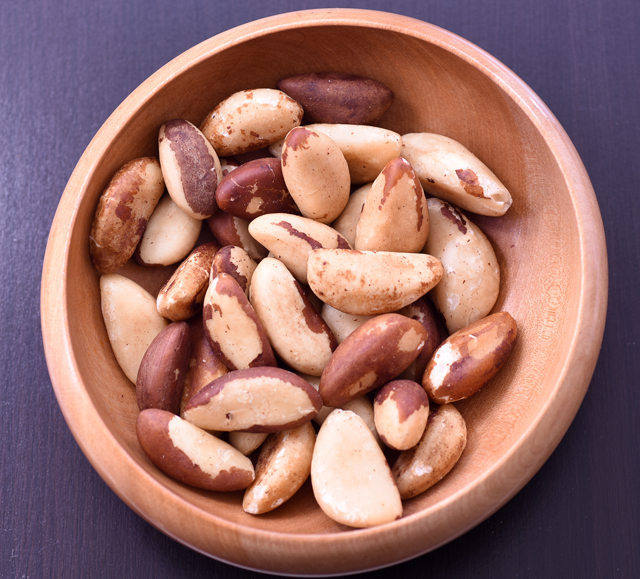
- A new scientific review reveals Brazil nuts contain a complex array of bioactive compounds with powerful anti-inflammatory and disease-fighting properties beyond their well-known selenium content.
- Clinical studies show regular, moderate consumption can improve cardiovascular health, stabilize blood sugar, reduce harmful visceral fat, and offer protective effects for kidneys and cognitive function.
- Modern spectroscopic analysis confirms the nuts’ selenium is in a highly absorbable form, while potentially problematic trace elements like radium have extremely low bioavailability during digestion.
- Experts emphasize that just 1-2 Brazil nuts daily provides optimal benefits, as excessive intake risks selenium toxicity.
- Sourcing high-quality, organic nuts from reputable suppliers is recommended to ensure purity and avoid contaminants like aflatoxins.
For decades, the Brazil nut has been pigeonholed in the public consciousness as a simple selenium supplement, a one-note nutritional powerhouse. But a groundbreaking synthesis of research, culminating in a 2026 review published in Food Chemistry, is fundamentally rewriting that narrative. Scientists from multiple institutions have uncovered that this Amazonian seed is a complex, synergistic blend of bioactive compounds with profound abilities to combat chronic inflammation, reverse metabolic dysfunction, and protect against diseases that dominate modern healthcare. This revelation matters now more than ever, as global populations grapple with escalating rates of diabetes, heart disease, and obesity, prompting a renewed search for accessible, food-based solutions rooted in ancient ecosystems.
Beyond the Selenium Singularity
The towering Bertholletia excelsa trees of the Amazon rainforest take over a year to produce their formidable fruit. For years, the story sold to health-conscious consumers focused almost exclusively on one prize inside: selenium. An ounce of Brazil nuts does provide a staggering 989% of the daily value for this essential mineral, crucial for thyroid function and immune defense. However, this new research exposes that fixation as a dramatic oversimplification. The nuts are a treasure trove of oleic acid (the heart-healthy fat in olive oil), magnesium, zinc, vitamin E, phytosterols, fiber, and unique phenolic compounds. It is the synergistic interplay of these elements, the review asserts, that creates the nuts’ true therapeutic potential.
A Multi-Front Assault on Chronic Disease
The compiled clinical evidence paints a compelling picture of a whole food acting as a multi-system tonic.
Studies demonstrate that regular, moderate consumption of Brazil nuts:
- Improves antioxidant defenses and significantly reduces systemic inflammatory markers.
- Reverses obesity-related metabolic dysfunction, decreases harmful visceral fat, and improves vascular endothelial function.
- Lowers LDL cholesterol, triglycerides, and apolipoprotein B, a key driver of arterial plaque.
- Exhibits protective effects for kidneys, potentially guarding against nephrotoxicity—a critical finding for those with hypertension or diabetes.
- Shows promise in supporting immune surveillance against abnormal cell growth, thanks to the combined anti-inflammatory and antioxidant actions of its selenium, vitamin E, and phenolics.
- This broad-spectrum efficacy addresses the root cause—chronic inflammation—of many conditions that pharmaceutical medicine often treats in isolation, and with significant cost and potential side effects.
Modern Analytics Confirm Ancient Wisdom
Parallel cutting-edge research from the Helmholtz-Zentrum Dresden-Rossendorf, published in the International Journal of Molecular Sciences, adds a crucial layer of precision to these findings. Using spectroscopic methods to simulate human digestion, scientists confirmed that approximately 85% of the nuts’ selenium is released in a highly bioavailable form called selenomethionine. Simultaneously, they delivered reassuring news about trace elements like barium and radioactive radium, which the trees absorb from Amazonian soils. These potentially problematic substances showed a bioavailability of only about 2%, bound tightly by phytic acid in the nut. The annual radiation dose from eating one nut daily is a negligible fraction of natural background exposure, confirming the food’s safety when consumed as intended.
Strategic Integration for Maximum Benefit
Harnessing these benefits requires a shift from viewing Brazil nuts as a casual snack to recognizing them as a concentrated dietary supplement. The consensus from both nutritional and analytical research is clear: more is not better.
- The optimal dose is just 1-2 nuts per day, providing therapeutic levels of selenium and other compounds without risking selenosis, a toxicity condition marked by hair loss and nerve damage.
- Quality matters. Experts recommend choosing organic, raw nuts from reputable sources that test for aflatoxin, a mold toxin that can develop with improper storage.
- For best absorption of fat-soluble nutrients, pair them with other healthy fats or antioxidant-rich foods like berries or leafy greens.
Reclaiming Food as Foundational Medicine
The emerging science on Brazil nuts underscores a paradigm slowly regaining traction: that food can be potent, preventive medicine. In an era of polypharmacy and complex chronic illness, the simplicity of a single, sustainably harvested seed offering multi-system support is striking. It connects the health of the individual to the health of the ancient Amazonian ecosystem, reminding us that some of the most advanced therapeutics are not found in a lab, but have been growing, quietly and magnificently, in rainforest canopies for centuries. This research invites a more nuanced appreciation of nature’s pharmacy, where true power lies not in a single isolated nutrient, but in the elegant, synergistic complexity of a whole food.
Sources for this article include:
Submit a correction >>
Tagged Under:
Brazil nuts, grocery, natural health, research, selenium
This article may contain statements that reflect the opinion of the author
RECENT NEWS & ARTICLES