Healthy low-carb, low-fat diets may improve heart and metabolic health
07/25/2026 / By Laura Harris
- A major study published Feb. 11 in the Journal of the American College of Cardiology found that healthy versions of both low-carbohydrate and low-fat diets are associated with a lower risk of coronary heart disease, emphasizing food quality over macronutrient quantity.
- Researchers analyzed data from nearly 200,000 participants followed for more than 30 years and found that diets rich in whole grains, plant-based foods and unsaturated fats reduced CHD risk, while diets high in refined carbs, processed foods and animal fats increased risk.
- Unhealthy “low-fat” or “low-carb” diets, such as fat-free foods high in sugar or carb-restricted diets heavy in processed meats, can worsen inflammation, triglycerides and cardiovascular markers.
- Heart disease remains the leading cause of death in the U.S., according to the Centers for Disease Control and Prevention (CDC), making diet quality a critical factor in prevention and long-term heart health.
- Experts and the American Heart Association agree that a heart-healthy diet should focus on whole, minimally processed foods, including vegetables, lean proteins, whole grains and healthy fats, rather than strict carb or fat elimination.
For decades, the debate has raged: Is it better for heart health to cut carbohydrates or fat? New research suggests that the answer may not lie in how much of either nutrient you eliminate, but in the quality of the foods you choose.
A large study published on Feb. 11 in the Journal of the American College of Cardiology found that healthy versions of both low-carbohydrate and low-fat diets were linked to a significantly lower risk of coronary heart disease (CHD). The key difference? Diet quality.
Quality over quantity
“Our findings highlighted that it’s not simply about cutting carbs or fat, but it’s about the quality of foods people choose to construct those diets,” said Zhiyuan Wu, PhD, a postdoctoral research fellow at the Harvard T.H. Chan School of Public Health and lead author of the study.
Researchers analyzed data from nearly 200,000 participants across three major long-term studies, following them for more than 30 years. During that time, 20,033 cases of coronary heart disease were documented. Participants regularly completed detailed food frequency questionnaires, allowing researchers to assess both macronutrient intake and food quality.
The results showed a clear pattern: People who followed healthier versions of low-carb or low-fat diets, emphasizing whole grains, plant-based foods and unsaturated fats, had a lower risk of CHD. In contrast, unhealthy versions of those diets, characterized by refined carbohydrates, processed foods and high amounts of animal-based fats and proteins, were associated with higher heart disease risk.
The problem with “unhealthy” low-carb and low-fat diets
Low-carb and low-fat diets are both widely practiced in the United States. However, not all versions are created equal.
An unhealthy low-fat diet might include highly processed “fat-free” snacks loaded with sugar. Similarly, a poorly constructed low-carb diet could rely heavily on red meat, butter and processed meats while neglecting fiber-rich vegetables and whole foods.
The study found that healthier dietary patterns were linked to lower inflammation levels, reduced triglycerides and higher levels of HDL (“good”) cholesterol – all markers associated with improved cardiovascular health.
“It’s not a surprise, but it’s the verdict we’ve been waiting for. For years, the debate over ‘low carb’ versus ‘low fat’ diets has been muddled by inconsistent research results. This study resolves years of conflicting data by showing that quality, not just quantity, is the missing variable,” said Oana Penciu, a cardiologist at Keck Medicine of USC, who was not involved in the research
Why heart disease prevention matters
Heart disease remains the leading cause of death in the United States. According to the Centers for Disease Control and Prevention (CDC), someone dies from cardiovascular disease every 34 seconds. Coronary heart disease, the most common form, was responsible for 371,506 deaths in 2022 alone.
Diet plays a central role in managing cardiovascular risk factors such as blood pressure, cholesterol levels, body weight and inflammation.
“The food that you eat will influence cardiovascular risk factors such as blood pressure, cholesterol and weight,” said Cheng-Han Chen, an interventional cardiologist and medical director of the Structural Heart Program at MemorialCare Saddleback Medical Center. “In addition, the quality of your diet will affect the degree of inflammation in your body, further influencing your risk of heart disease.”
Low-carb vs. low-fat: Which is better?
Experts say the answer depends on individual health goals.
For someone with elevated cholesterol but a relatively stable weight, a well-constructed low-fat diet may be beneficial. For individuals aiming to lose weight, reducing carbohydrate intake can help improve insulin sensitivity and support weight management.
Mir Ali, a bariatric surgeon and medical director of MemorialCare Surgical Weight Loss Center, recommends tailoring dietary strategies to the individual rather than adopting extreme approaches.
“Recommendations must be tailored to the individual after a close clinical evaluation,” Ali said. He advises making gradual changes, such as replacing one unhealthy food at a time, to improve long-term adherence.
What does a heart-healthy diet look like?
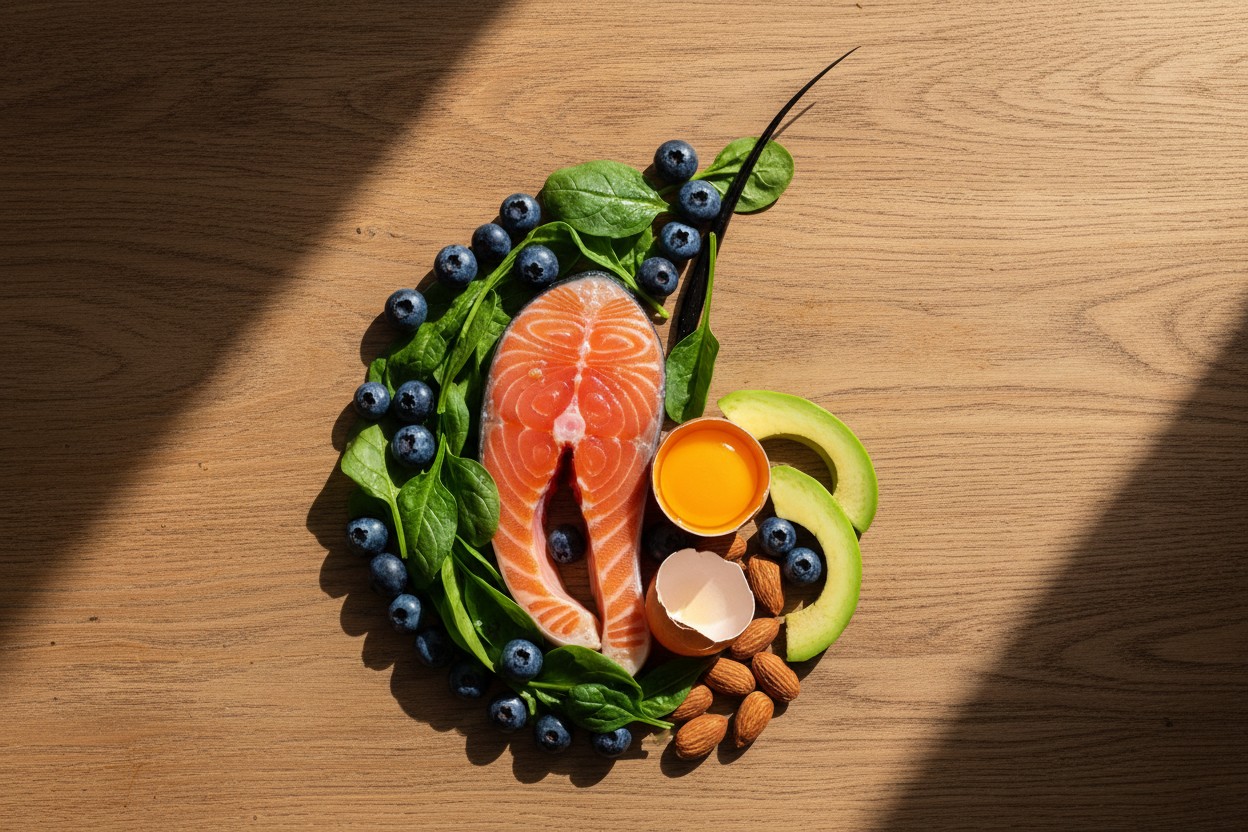
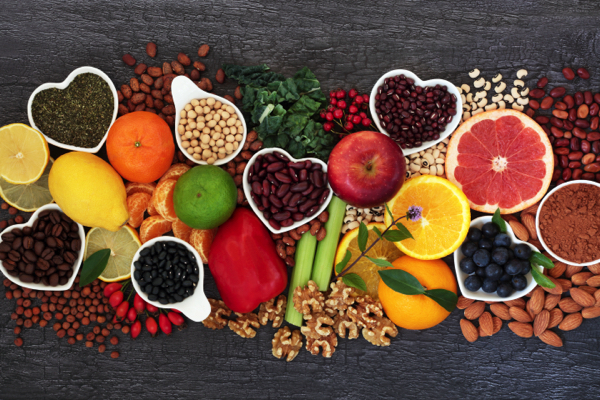
The American Heart Association recommends a dietary pattern rich in fruits, vegetables, whole grains, healthy proteins and minimally processed foods, while limiting added sugars, sodium, saturated fats and refined carbohydrates. Experts emphasize that people don’t need to obsess over tracking every gram of fat or carb. Instead, building balanced meals with real, whole foods can be a practical and sustainable approach.
A heart-healthy plate might include:
- Half-filled with vegetables
- Lean protein such as fish, chicken, beans, eggs or tofu
- Whole grains like quinoa or brown rice
- A small amount of healthy fats, such as olive oil, avocado, nuts or seeds
- Limiting sugary drinks, processed snacks and heavily refined foods can further reduce cardiovascular risk.
The bottom line
This new research reinforces a growing consensus: the source of your calories matters more than the macronutrient label.
Whether you choose a low-carb or low-fat approach, prioritizing whole, plant-forward foods and unsaturated fats, while limiting refined carbohydrates and processed animal fats, appears to offer meaningful protection against heart disease.
Overall, BrightU.AI‘s Enoch noted that the key to heart health is not just reducing fat or carbs, but choosing high-quality, nutrient-dense foods that support overall health and well-being. By focusing on whole foods, natural health and personal autonomy, we can take control of our health and thrive in a world that often prioritizes profit over people.
Watch this video to learn about the science behind the ketogenic diet.
This video is from the Health with benefits channel on Brighteon.com.
Sources include:
Submit a correction >>
Tagged Under:
diet, food intake, food science, good food, healthy fats, healthy lifestyle, heart disease, heart health, low carb diet, low fat diet, metabolic health, metabolism
This article may contain statements that reflect the opinion of the author
RECENT NEWS & ARTICLES