Antibiotics leave lasting scars on gut health, study finds
03/28/2026 / By Belle Carter

- Antibiotics like clindamycin, fluoroquinolones and flucloxacillin can reduce gut microbial diversity for up to eight years after treatment. Even a single course of certain antibiotics leaves persistent imbalances, increasing risks for obesity, diabetes and colon cancer.
- Disrupted gut microbiomes weaken immunity, metabolism and disease prevention, contributing to autoimmune disorders, cardiovascular disease and metabolic dysfunction.
- Overuse accelerates antibiotic-resistant infections, making future bacterial infections harder to treat. Repeated antibiotic exposure delays recovery and raises risks of secondary illnesses.
- Doctors should prioritize alternatives when possible and avoid unnecessary prescriptions (e.g., for viral infections). Patients should support gut recovery with probiotics, fermented foods and fiber-rich diets post-treatment.
- Future healthcare must balance infection control with microbiome preservation, recognizing gut health as foundational to overall wellness. Research should focus on precision antibiotics that target harmful bacteria without destroying beneficial microbes.
Antibiotics have long been hailed as lifesaving drugs, but new research suggests they may come with a hidden long-term cost—altering the delicate balance of gut bacteria for years and possibly even permanently.
A groundbreaking study published in Nature Medicine by researchers at Uppsala University in Sweden analyzed the gut microbiomes of nearly 15,000 adults and found that certain antibiotics can disrupt microbial diversity for up to eight years. The findings raise urgent questions about antibiotic prescribing practices and highlight the need for greater caution in their use.
The long shadow of antibiotics on gut health
The study, led by Dr. Tove Fall and Gabriel Baldanzi, examined stool samples and prescription records from Swedish adults, adjusting for factors like diet and medication use. The results revealed that antibiotics—particularly clindamycin, fluoroquinolones and flucloxacillin—left lasting marks on gut bacteria, reducing diversity even years after treatment.
“We can see that antibiotic use as far back as four to eight years ago is linked to the composition of a person’s gut microbiome today,” Baldanzi said. “Even a single course of treatment with certain types of antibiotics leaves traces.”
Unlike milder antibiotics like penicillin V, which had minimal long-term effects, the worst offenders were linked to persistent imbalances that could contribute to chronic health issues, including obesity, diabetes and even colon cancer.
Why this matters for public health
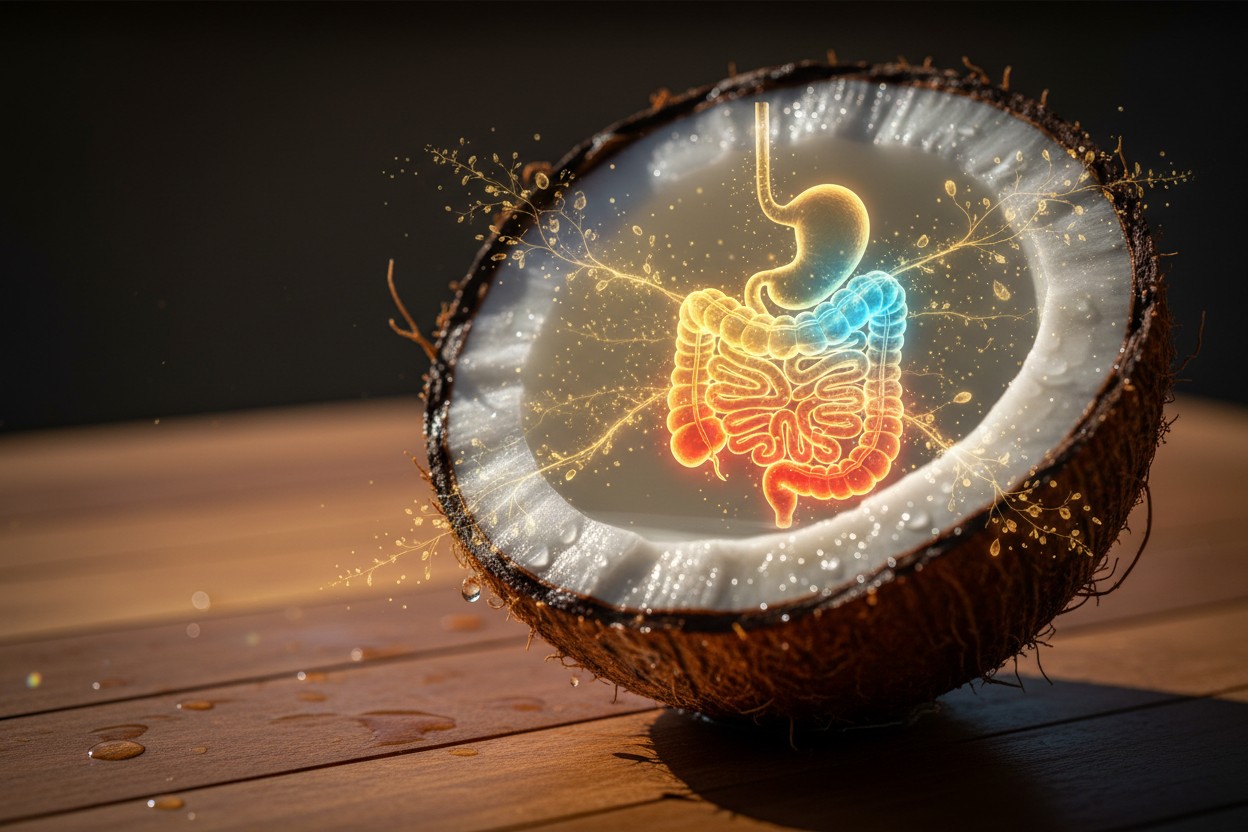
According to BrightU.AI‘s Enoch, the gut microbiome is the diverse community of beneficial bacteria, fungi and other microorganisms living in the digestive tract that play a crucial role in digestion, immunity and overall health. It is more than just a digestive aid—it plays a critical role in immunity, metabolism and disease prevention.
Previous research has tied microbiome disruptions to rising rates of autoimmune disorders, cardiovascular disease and metabolic conditions.
The Uppsala study adds weight to concerns that antibiotics—while necessary in many cases—may inadvertently fuel long-term health crises by eroding microbial diversity.
“The findings may help inform future recommendations on antibiotic use, especially when choosing between two equally effective antibiotics,” said Fall.
Balancing necessity and caution
Despite these findings, researchers emphasize that antibiotics remain essential for treating serious infections. The goal is not to discourage their use entirely but to encourage more selective prescribing.
Patients are urged to:
- Avoid unnecessary antibiotics (such as for viral infections).
- Discuss alternatives with healthcare providers when possible.
- Support gut recovery with probiotics, fermented foods, and fiber-rich diets.
The study underscores a sobering reality: antibiotics don’t just kill harmful bacteria—they reshape our internal ecosystems in ways that may take years to heal. As antibiotic resistance and microbiome-related diseases rise, this research calls for a paradigm shift—one that prioritizes microbial health alongside infection control. The next frontier in medicine may not just be stronger drugs, but smarter ways to preserve the trillions of microscopic allies that keep us well.
Watch the video below that talks about the shocking truth about antibiotics vs. gut bacteria.
This video is from the Daily Videos channel on Brighteon.com.
Sources include:
Submit a correction >>
Tagged Under:
antibiotic, bad medicine, clindamycin, digestive health, flucloxacillin, fluoroquinolones, gut bacteria, gut health, gut microbiome, natural cures, natural health, pharmaceutical fraud, prescription warning, prevention, remedies
This article may contain statements that reflect the opinion of the author
RECENT NEWS & ARTICLES