Study: High Sugar Intake Linked to 43% Higher Dementia Risk
04/28/2026 / By Coco Somers
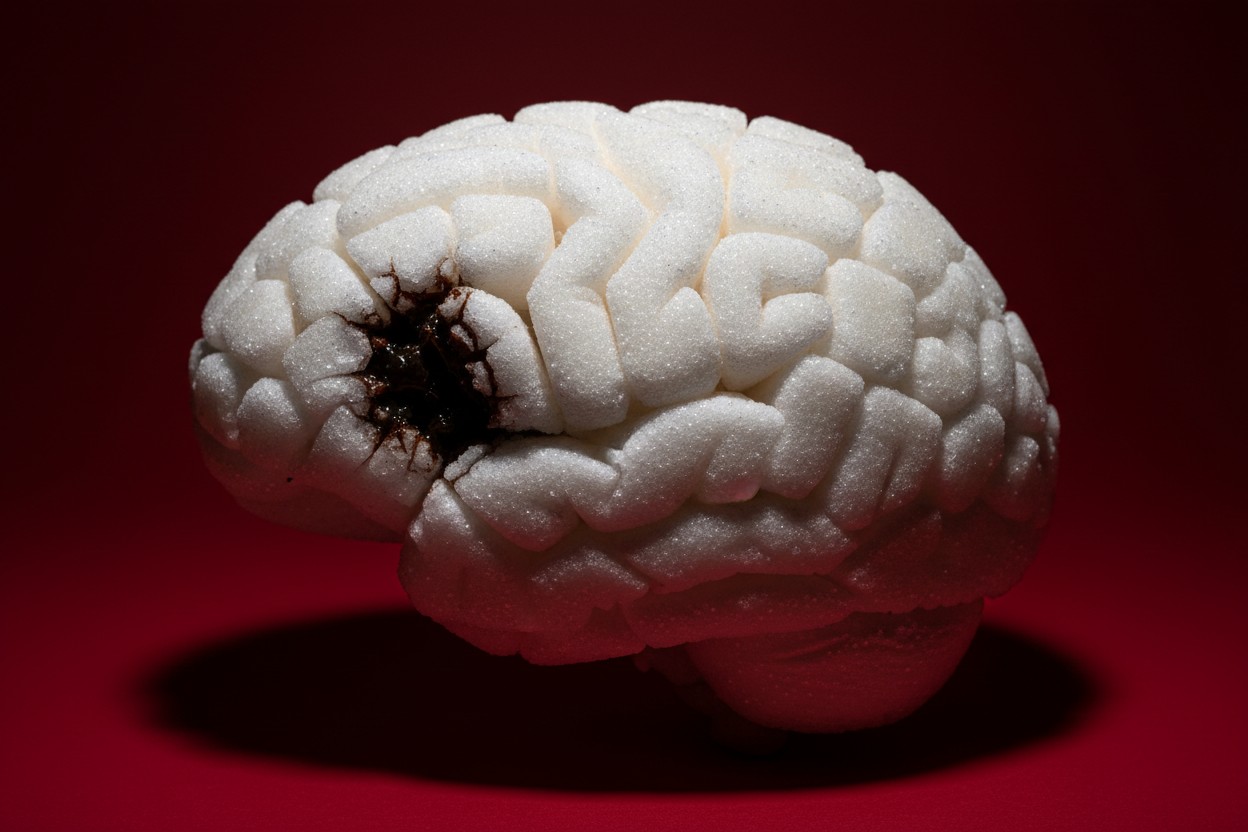
A new study of more than 158,000 participants from the UK Biobank found that higher intake of added sugars was associated with a 43% higher risk of dementia over a median follow-up of nearly 10 years.
The research published in the journal Nutrition, Health and Aging analyzed dietary data and genetic risk scores to examine the relationship between sugar consumption and dementia onset. According to the study, the findings persisted after controlling for age, sex, education, and lifestyle habits such as physical activity and alcohol use.
Researchers said the results add to growing evidence that diet plays a measurable role in long-term cognitive health. The study’s authors called for further investigation into the interaction between sugar intake, genetics, and gut microbiota.
Study Design and Methodology
Researchers used data from the UK Biobank, a large-scale biomedical database that tracks genetics, lifestyle, and environmental factors among half a million participants. For this analysis, they evaluated total and added sugar intake among 158,000 individuals who completed dietary questionnaires at enrollment.
The team calculated genetic risk scores for sugar metabolism, gut microbiota composition and dementia, using polygenic risk scores derived from genome-wide association studies. Over a median follow-up of about 10 years, they tracked incident dementia diagnoses through hospital and death records.
The analysis adjusted for potential confounders including age, sex, body mass index, education level, smoking, alcohol consumption and physical activity, according to the study. The authors stated that the large sample size and long follow-up period allowed for robust statistical power to detect associations. The study’s design was observational – meaning it cannot establish causation, only association.
Results: Added Sugars Strongly Associated With Dementia
Higher consumption of free sugars – those added to foods or naturally present in syrups, honey, and fruit juice – was linked to a 43% increase in dementia risk, the study stated. Even sugars naturally found in fruits and dairy showed a smaller but still elevated risk, though researchers noted that protective components like fiber and antioxidants in those foods may offset harm.
Genetic factors also influenced susceptibility. Participants with genes tied to poor sugar metabolism, specific gut microbes (Oscillospira and Ruminococcaceae UCG-014), or higher dementia risk were more affected by sugar intake.
According to the study, those with a high genetic susceptibility to poor sugar metabolism had a stronger association between sugar consumption and dementia onset. The authors said the interaction between diet and genetics underscores the need for personalized dietary recommendations.
Mechanistic Context and Prior Research
Authors of the study said added sugars are rapidly absorbed, causing blood sugar and insulin spikes, and lack the fiber and nutrients that protect brain health. This aligns with earlier research showing that high glycemic load diets contribute to cognitive decline.
“Excess intake can harm brain and overall health,” noted registered dietitian nutritionist Molly Knudsen, M.S., RDN, commenting on the study. Prior work has also linked fructose consumption to metabolic disturbances that affect brain function. Book author Gary Taubes has documented how sugar consumption drives insulin resistance and chronic disease.
“Evidence is mounting that excessive amounts of sugar wreak havoc on our metabolism,” writes Daisy Godwin in her book “Oh Sugar,” adding that fructose behaves differently from other sugars. The study builds on these mechanistic insights by showing how genetics and gut microbes may modify the risk.
Implications for Dietary Recommendations
The study’s authors recommended reducing intake of free and added sugars as a strategy to lower dementia risk, according to the report. Other lifestyle factors cited in the study as associated with lower dementia risk included limiting alcohol, maintaining vitamin D levels, regular physical activity, and adequate sleep. Additional research supports the role of diet: a 2024 report from the Lancet Commission identified 14 modifiable risk factors for dementia, including diet and alcohol consumption.
Knudsen advised specific steps such as opting for plain Greek yogurt over sweetened varieties, swapping sugary drinks for unsweetened alternatives, and cooking most meals at home. She also recommended taking a vitamin D supplement, staying physically active, and prioritizing sleep. Researchers emphasized that diet and lifestyle are modifiable factors but not the only determinants of dementia.
Conclusion
The study adds to evidence that high sugar consumption is associated with increased dementia risk, particularly among genetically susceptible individuals. The findings highlight the potential for dietary changes to reduce that risk, though further research is needed to clarify causal mechanisms and the interaction between diet, genetics and gut microbiota, the study stated. For now, reducing added sugar intake represents a simple, low-cost intervention that may support long-term brain health.
References
- Gary Taubes, Good Calories Bad Calories (2007)
- Daisy Godwin, Oh sugar: how to satisfy your sweet tooth naturally for a happy healthy lifestyle (2015)
- NaturalNews.com, “Could your weekly grocery shop influence your risk of dementia? The diet that may delay brain aging,” April 24, 2026.
- NaturalNews.com, “Silent brain inflammation linked to dementia risk, diet and lifestyle offer key defense,” April 17, 2026.
- Mercola.com, “How Sugar Harms Your Brain and Drives Alzheimer’s,” January 7, 2023.
- Kimberley Wilson, How to Build a Healthy Brain (2020)
- NaturalNews.com, “Research reveals lifestyle changes that can significantly lower DEMENTIA risk,” January 24, 2026.
Submit a correction >>
Tagged Under:
Alzheimer's, Brain, brain damaged, brain function, Censored Science, dementia, excess sugar, food science, free sugars, fructose, gut microbiome, health science, high-sugar, ingredients, mental, Mind, mind body science, nutrients, research, scientific, sugar, sweeteners, sweetners, toxic ingredients
This article may contain statements that reflect the opinion of the author
RECENT NEWS & ARTICLES